

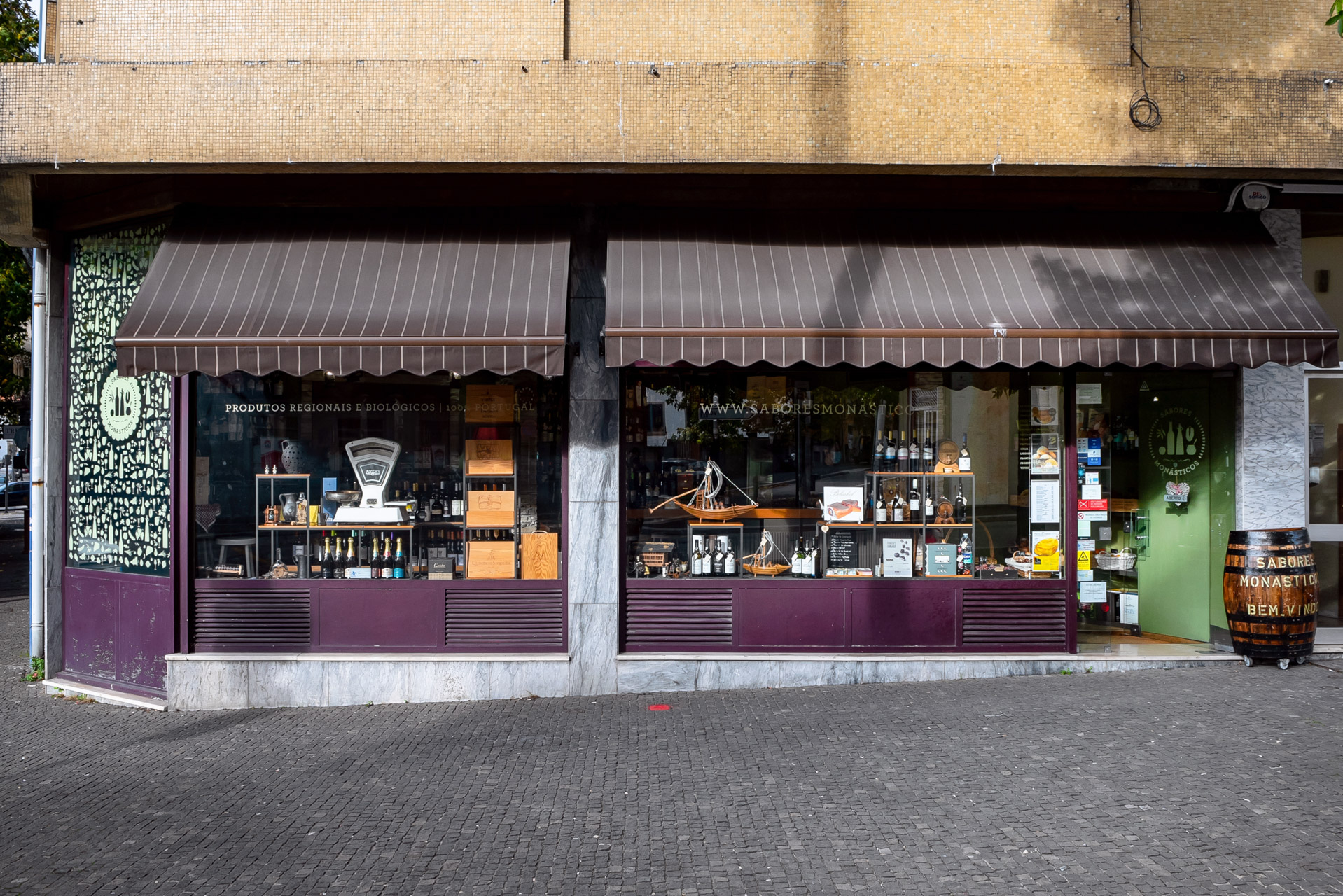
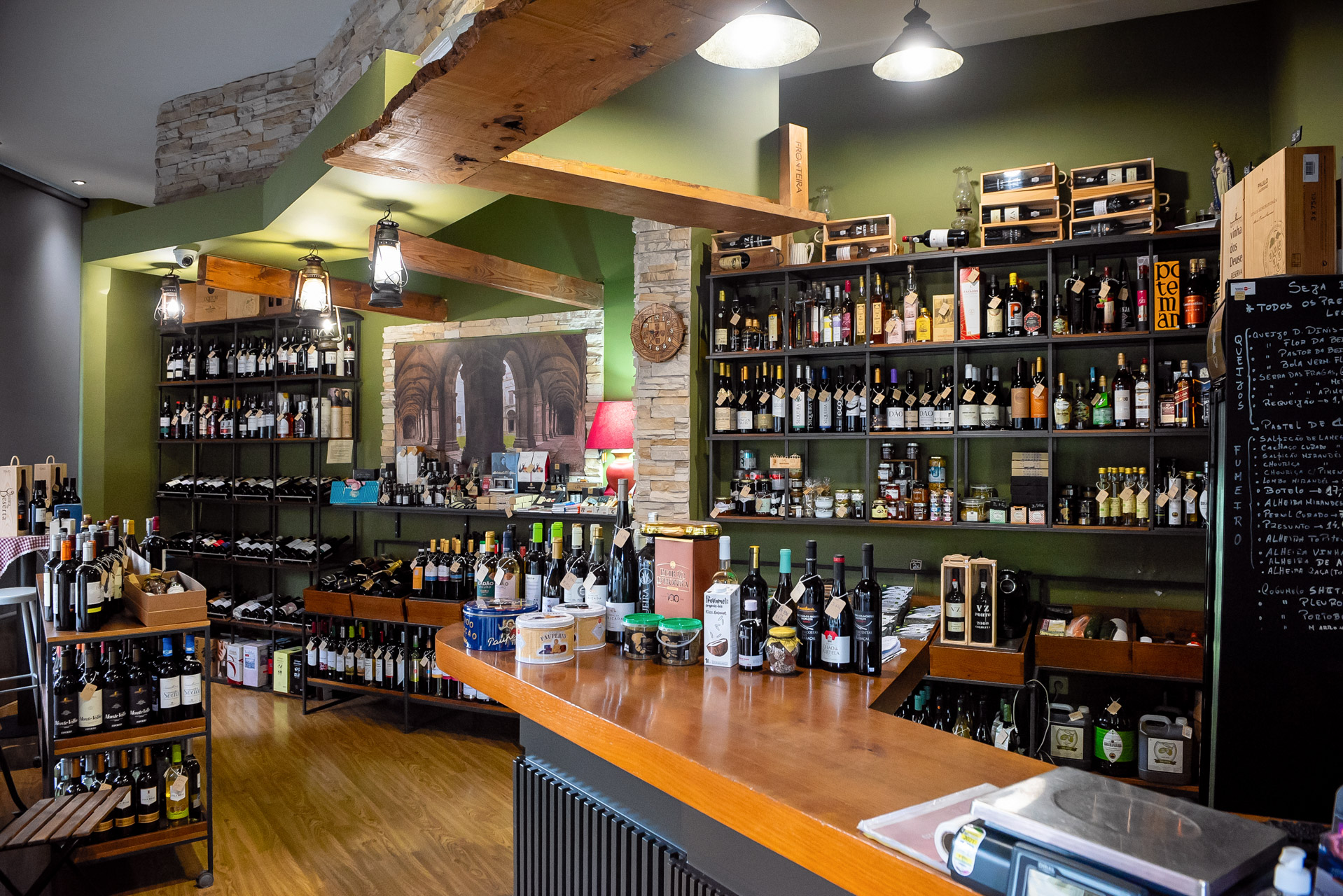
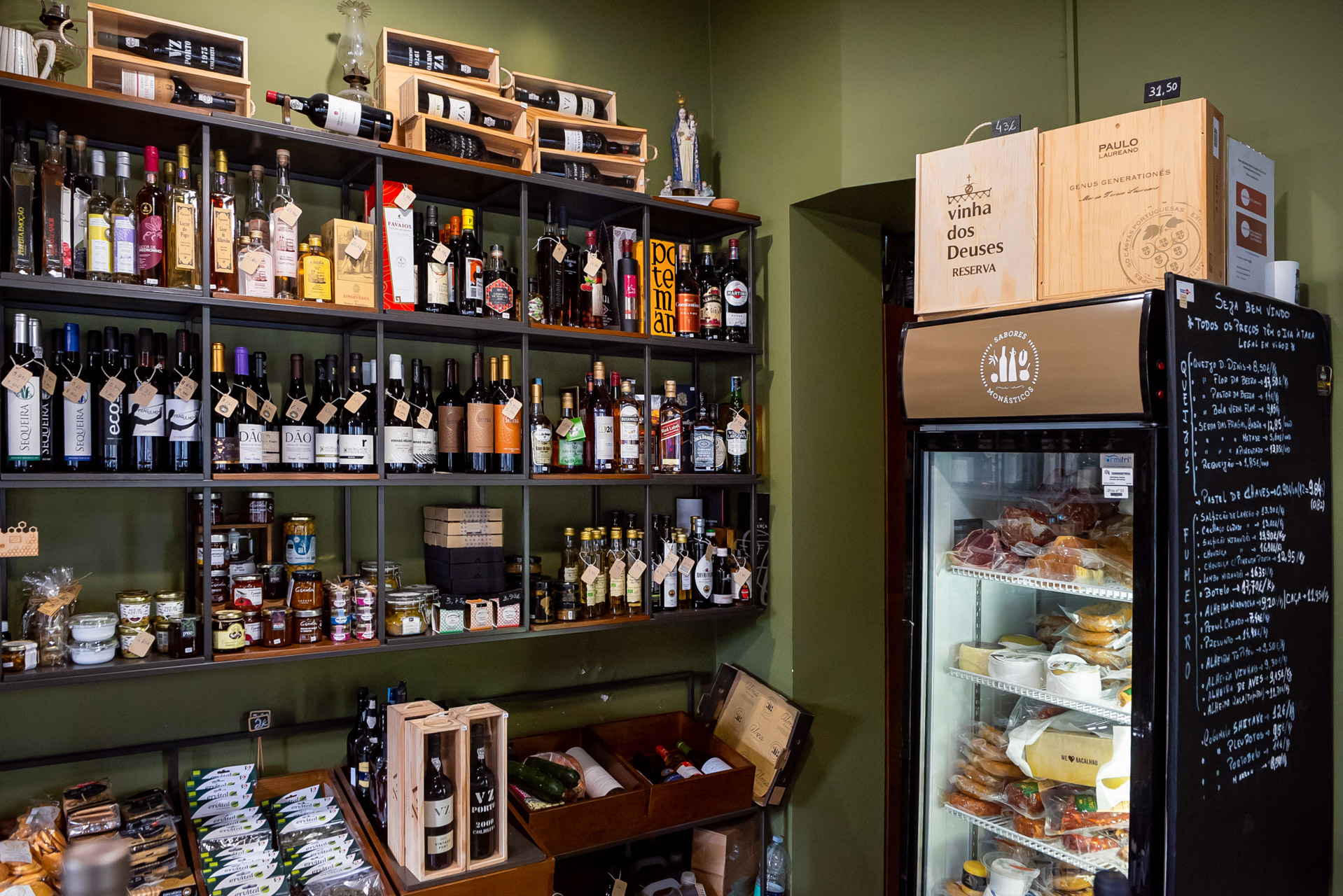
Sabores Monásticos is a registered trademark that sells Portuguese regional products, many of them originating in the Varosa valley. The headquarters is located in Salzedas, a predominantly agricultural historical settlement which is part of the vineyard villages of the Douro. Salzedas is also the name of a Cistercian monastery, Santa Maria de Salzedas, which began to be built on January 20th, 1168, under the leadership of D. Teresa Afonso, widow of Egas Moniz, one of the founders of Portugal. Its mission is to bring to customers the best products of small farmers, still handcrafted, from ceramics, welfare products, wines, liquors and grocery products.
Handicraft, baskets, wine cellar, grocery.
Monday: 14h - 19h | Tuesday to Friday: 11h - 13h, 14h - 19h | Saturday: 9h30 - 13h | Sunday: closed
Reviews
This store has no reviews.
Promotions
Promotions are one of the strategies shop owners can use to sell their products, renew collections or simply win more customers and advertise their business. At Shop in Porto, our shop owners can advertise online promotions in their stores over a period of time, making them visible to customers.
We are here
Address:
Rua Faria Guimarães, 7
Postal Code:
4000-206
City Zone:
Baixa
Mobile Phone:
918759528
Website:
https://saboresmonasticos.pt/
Email:
geral@saboresmonasticos.pt
Similar Stores
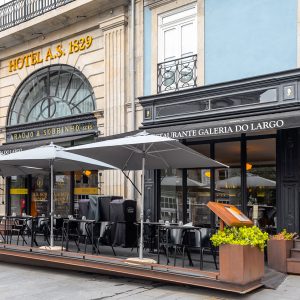
In a space that once housed an Art Gallery, it is now possible to find a showcase of flavors.
The Largo Gallery restaurant is located in Largo de São Domingos and here the Chef’s delicacies invite visitors to a delicious journey through the flavors of traditional portuguese cuisine, influenced by modernity and made with contemporary quality, rigor and excellence.
Galeria do Largo’s menu varies according to the time of year, taking into account the traditions of our cuisine, but also the dietary restrictions of our customers, offering vegan, organic and gluten free options.
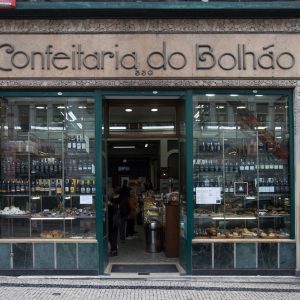
Confeitaria do Bolhão is a century-old house founded in 1896 that retains its original features, structures and colors, specific to Art Nouveau architecture. It is a bakery and pastries of its own manufacture and with buns coming out all day, with the sponge cake the specialty of the house. The establishment has a snack bar room where the guest is welcomed in a pleasant and cozy atmosphere and, on the ground floor, a buffet and à la carte restaurant. The attractive space and environment, the diversity and quality of the products offered, as well as the personalized and always friendly service make Confeitaria do Bolhão a space that invites the visit of all who are in the city of Porto.

The Taberna do Doutor owes its name to a friend and client of the owner, who was a cardiologist, but also a writer and painter, and who always encouraged him to expand the business. After Sinatra’s, in the surroundings, he opened the “Taberna do Doutor” (Doctor’s Tavern), to create a space that pays homage to the traditional Portuguese cuisine, where codfish is the protagonist. In the menu, you will find codfish boiled with chickpeas, à la Braga (fried codfish served with chips and fried sliced onions), à la Rosa do Adro (boiled codfish which is then roasted; it can be served with mashed potatoes or boiled potatoes), à la Brás (Portuguese dish made from shreds of salted cod, onions and thinly chopped (matchstick-sized) fried potatoes, all bound with scrambled eggs. It is usually garnished with black olives and sprinkled with fresh parsley) or baked on the plate, without forgetting other versions of the faithful friend, as the codfish salad, cakes or ‘pataniscas’ (they consist of pieces of shredded cod fried in wheat flour, seasoned with salt and sometimes pepper and parsley; they have a flattened or spherical irregular shape, if fried in abundant fat and are about 8-12 cm in diameter). There are other options, mainly of meat, as the steak à la ‘doutor’ (cooked in a very specific house manner), of veal, but there are also ‘Tripas à moda do Porto’ (the most representative dish of Porto that dates back to the time of the Portuguese Discoveries is cooked with tripe and fat meat, accompanied with thick slices of dark bread; today instead of bread white beans are used), cooked as the tradition dictates, as if it was the grandmother cooking.