

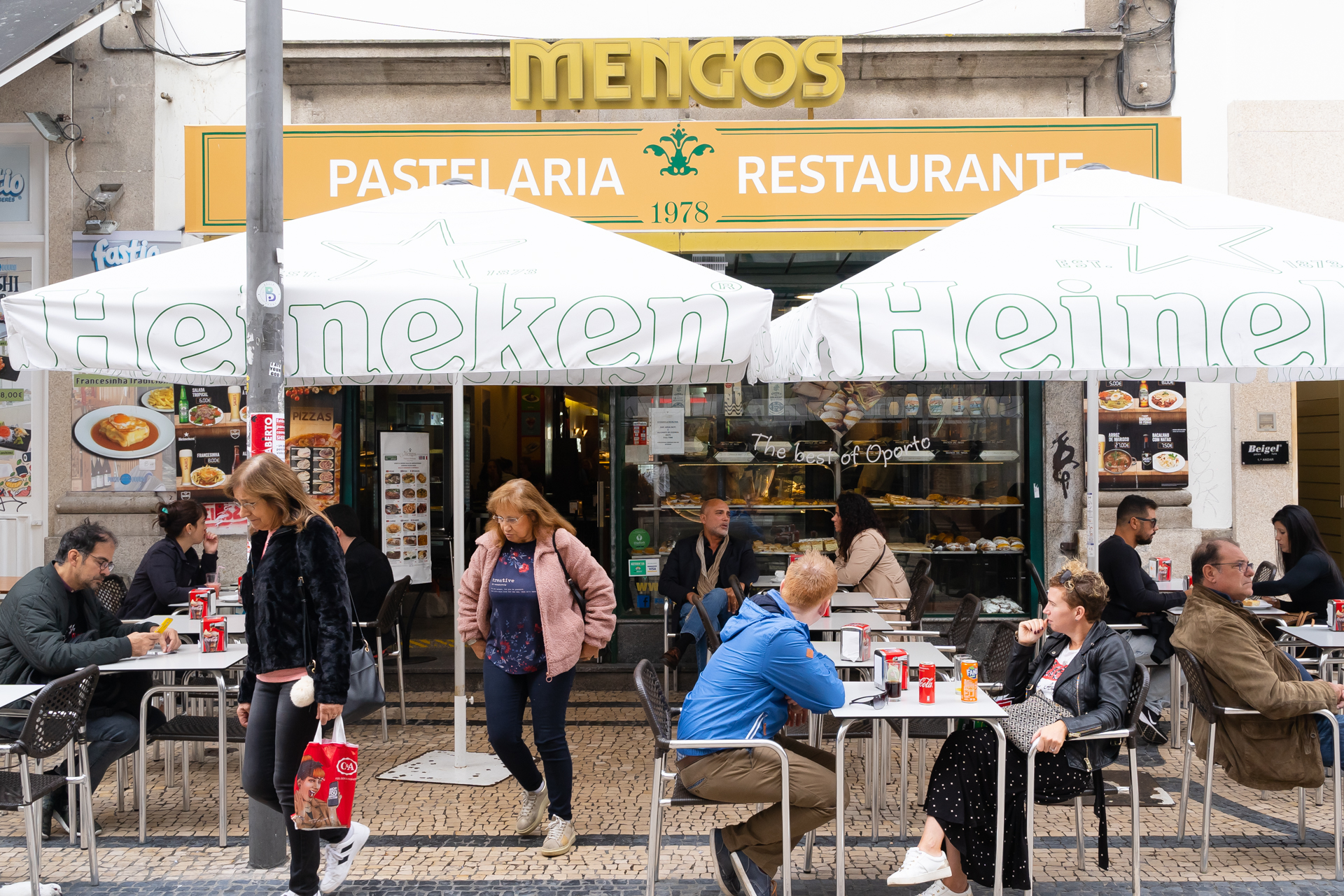
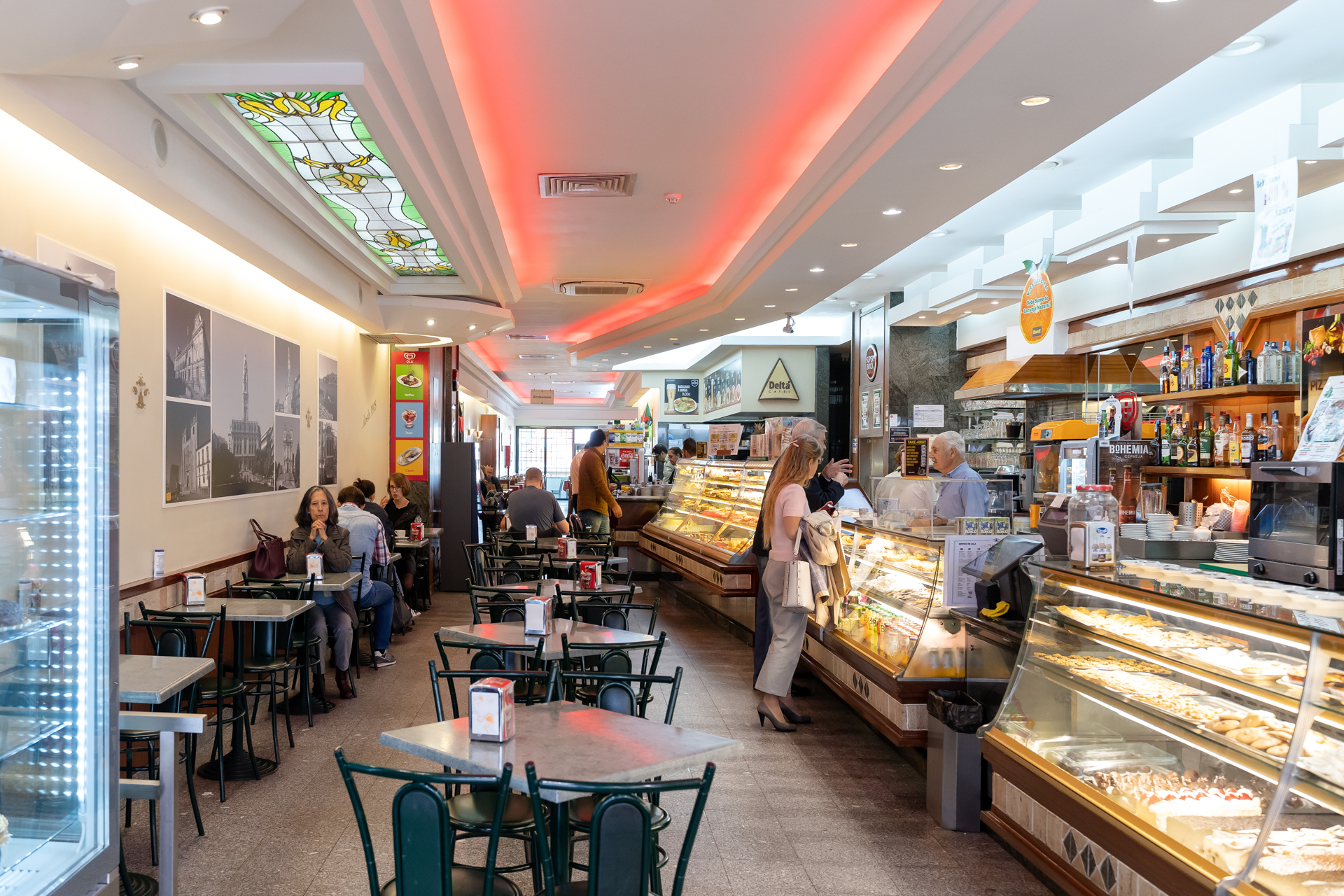

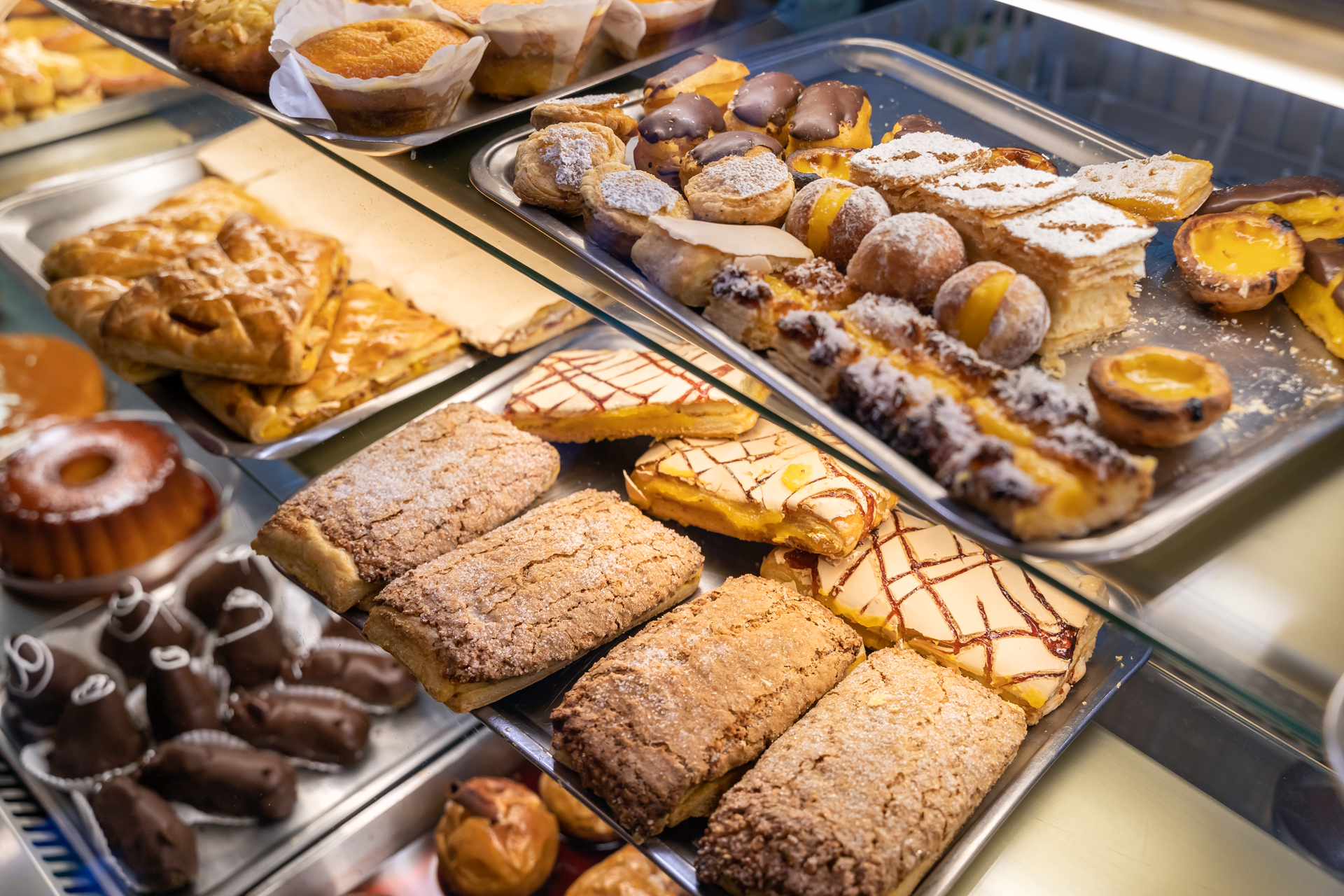
Mengos was born in 1978, in Porto city center, in the typical commercial area of the city. The name is due to the father of the owner who, having been emigrated in Brazil, became a fan of the Flamengo football club and hence the name of the establishment. Currently Mengos Pastelaria e Restaurante bets on the quality of products and customer service, maintaining its values, history and tradition. Here you can enjoy pastry specialties such as croissants, snacks, Jesuits, palmiers, cream and Berlin balls, as well as gastronomic specialties such as duck rice, Porto-style guts, Braga cod, Zé do Pipo cod and of course , francesinha.
Varied pastries, Pastel de nata, house's special beef, varied traditional cod fish recipes
Monday to Friday: 7h-22h and Saturday: 7h-20h
Reviews
This store has no reviews.
Promotions
Promotions are one of the strategies shop owners can use to sell their products, renew collections or simply win more customers and advertise their business. At Shop in Porto, our shop owners can advertise online promotions in their stores over a period of time, making them visible to customers.
We are here
Address:
Rua de Santa Catarina, 161
Postal Code:
4000 450
City Zone:
Baixa
Mobile Phone:
912445205
Email:
marciobateira@gmail.com

Similar Stores

The TeAmo tea room has homemade cakes made daily and invites you to take a break to taste one of its sweets. It is a restaurant space with breakfast and brunch specialities. The space is cosy, sophisticated and modern, with a big window to the street, inviting to a moment of calm from the outside noise. The menu is varied, there is coffee, slices of the cake of the day, scones with a choice of side dishes, scrambled eggs, toast, pancakes with toppings, soup of the day, slices of quiche, pies, salted muffins, toasts and sandwiches – tuna, chicken, egg, American, mixed. There is also a wide range of drinks, from cold drinks to hot drinks, such as hot chocolate or teas, bag or leaf.

O casal João Winck e Ângela Moraes decidiram abrir um espaço onde pudessem partilhar sabores da gastronomia tradicional brasileira. Foi assim que nasceu o Capim Dourado, com uma decoração com motivos tropicais. Nesta partilha, optou-se por tentar recriar comida com opções para todas as dietas: da horta, do mar e da fazenda. Dadinhos de tapioca com geleia picante de maracujá, torresmos «pururuca», pãozinho de queijo, servido com linguiça artesanal, «vaca atolada», uma costela coberta com creme de mandioca e farofa de banana e bacon, são alguns dos pratos, com ingredientes típicos. Para beber, continue no Brasil, há cachaça, a base de vários cocktails tropicais, para abrir ou até acompanhar a refeição.

Confeitaria Primar has a long tradition in the field of pastry, which dates back to its founding year, in 1946.
It is a traditional confectionery in the city of Porto, with its own manufacture and a welcoming atmosphere. It has a room inside and its magnificent terrace offers a pleasant view of the Carmo and Carmelite churches.
The Primar Confeitaria assumes itself as an ideal place for a coffee break and a cake or even for your lunch. To this end, this establishment serves daily dishes, with a wide variety of snacks available to customers throughout the day. All this combined with a friendly and efficient service.