

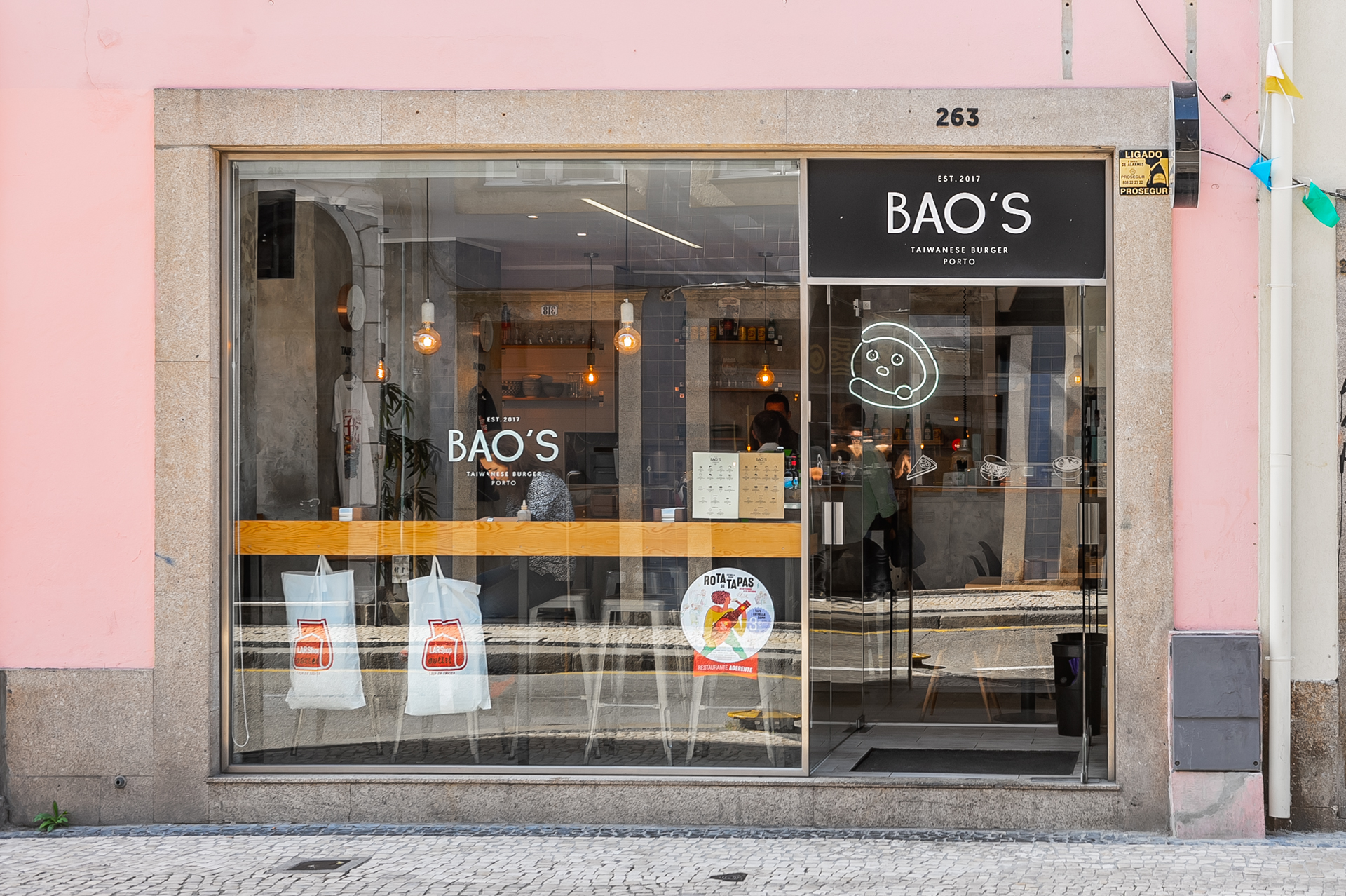
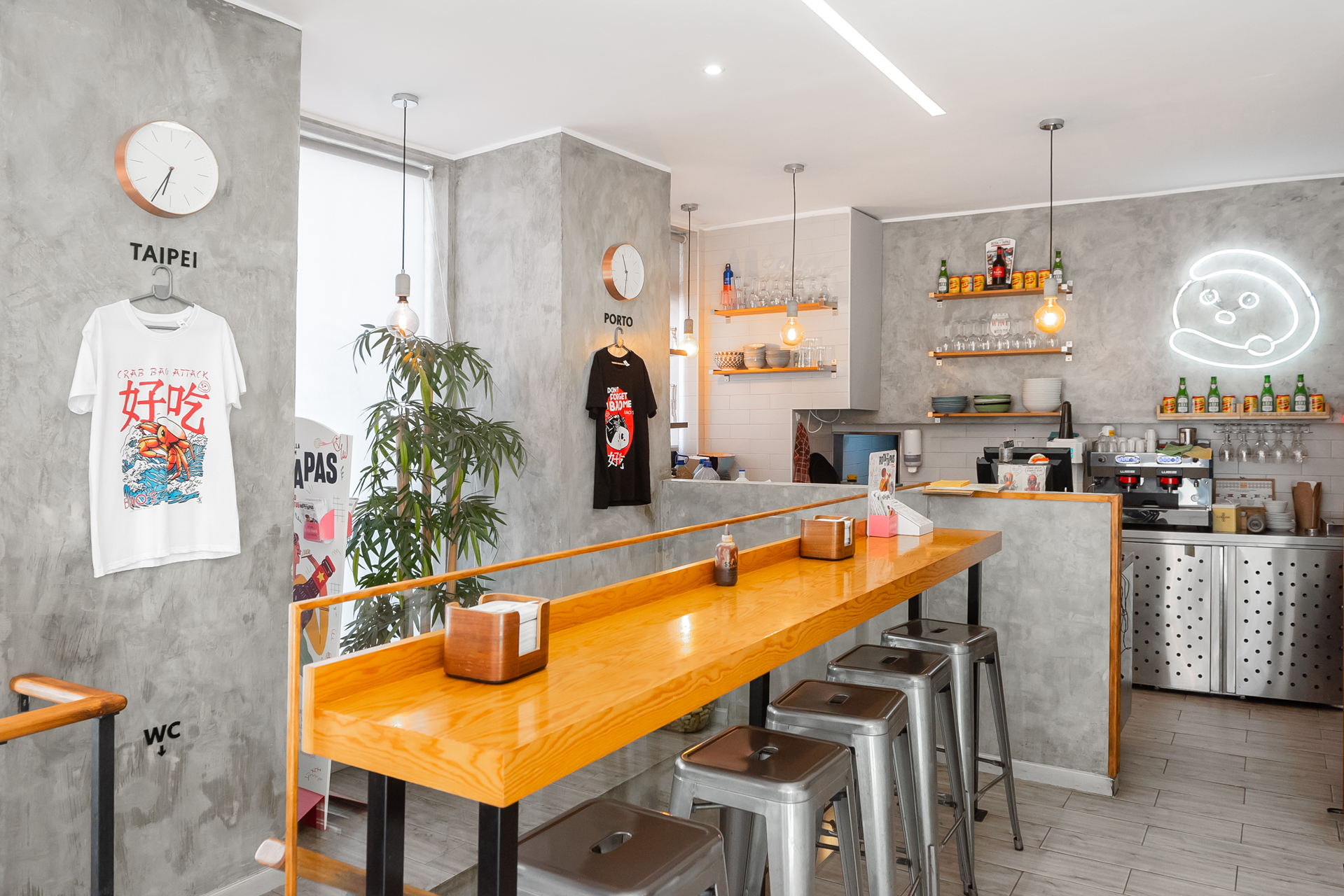
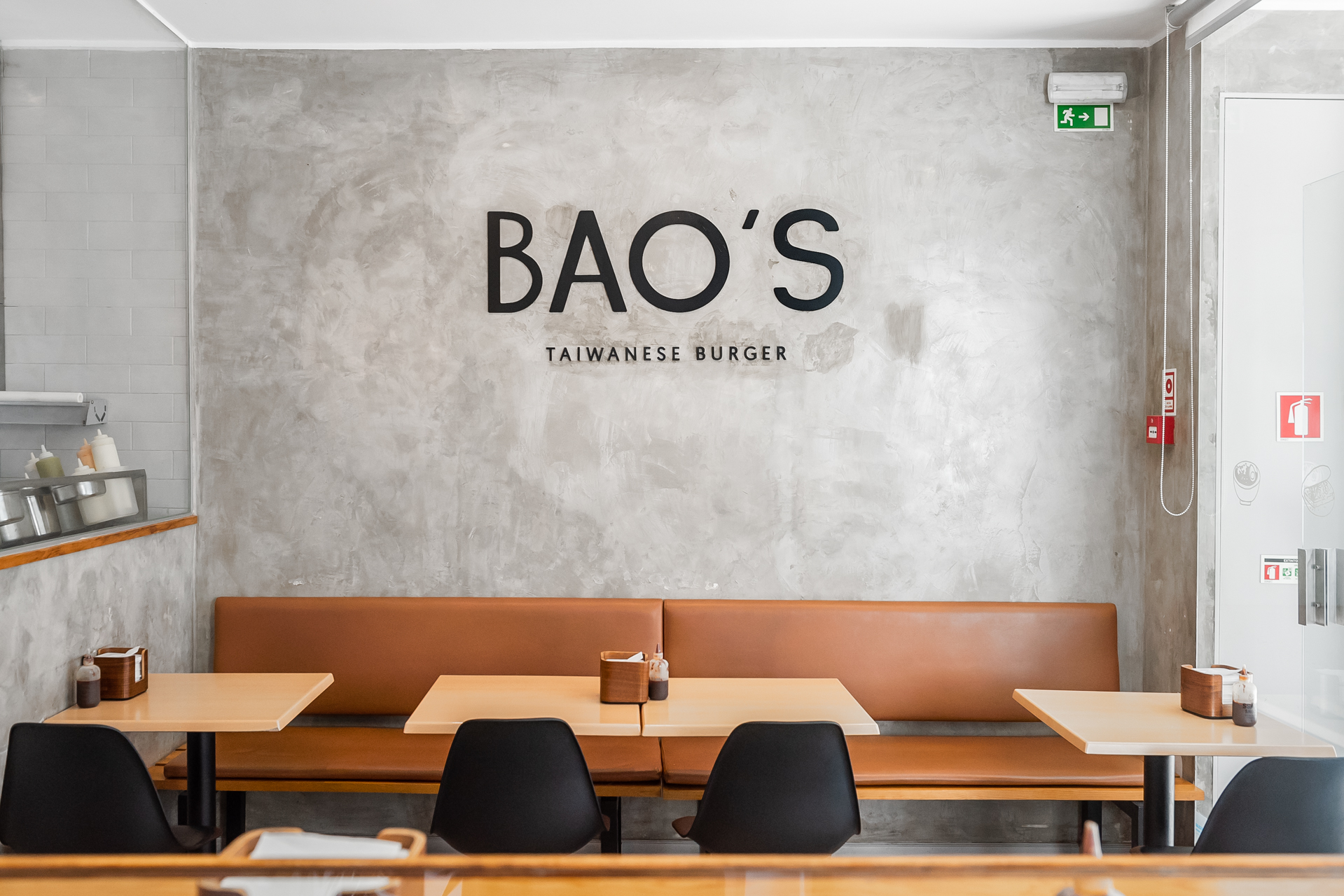
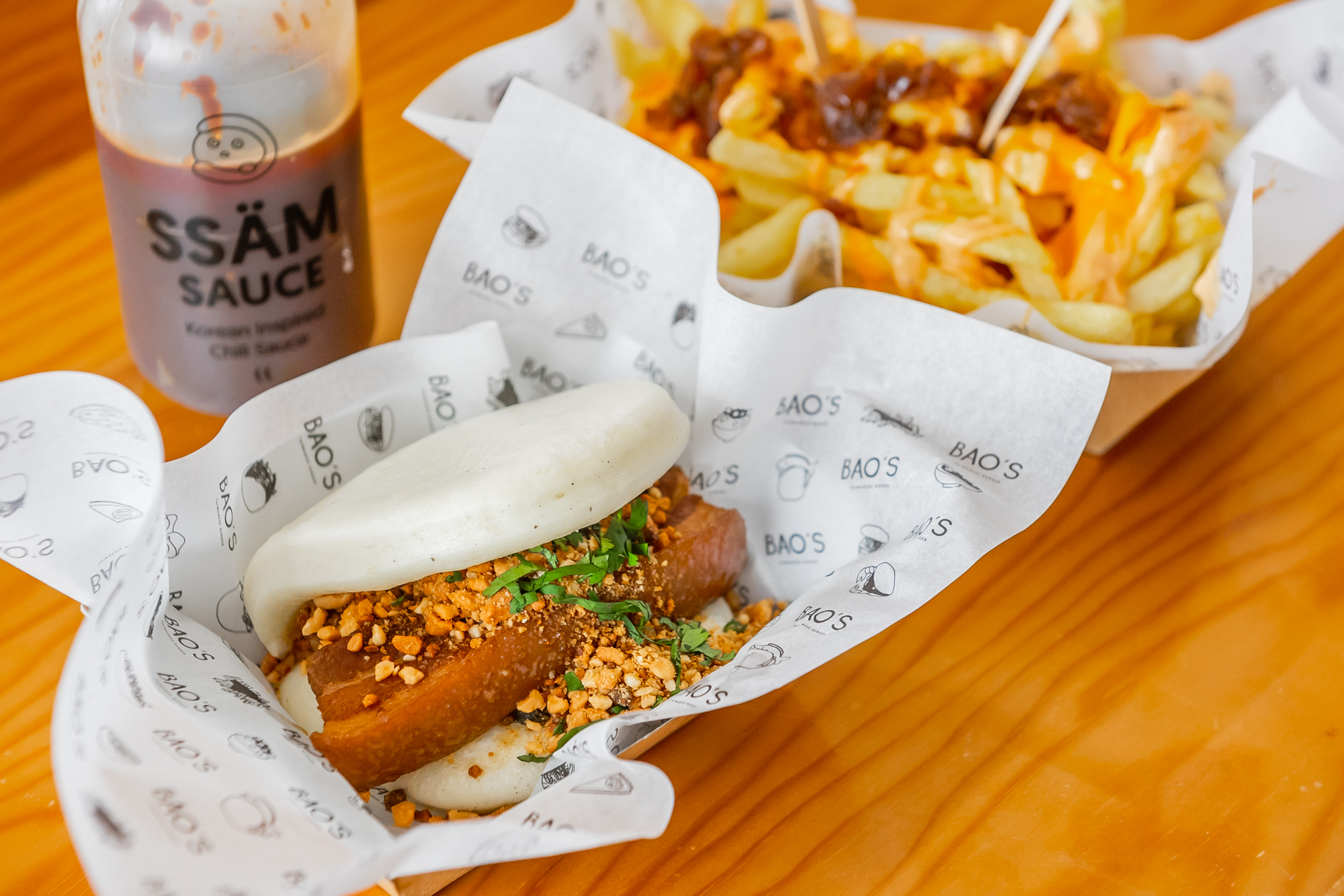
Bao’s brought Taiwanese street food to Porto. Located in the Cedofeita area, it offers its guests a menu full of options where the base is bao, the steamed bread that gives the establishment its name. With a variety of meat and fish options, as well as vegetarian options, there are baos for all tastes. The side dishes are also delicious, with french fries and sweet potato with cheese sauce or wasabi mayonnaise, for example. You can also opt for a rice bowl or a noodle soup for your meal. For dessert, enjoy an ice cream or pie, always in a relaxed and youthful atmosphere that characterizes Bao’s.
Street food, asian food
Monday to Thursday and Sunday: 12h - 23h | Friday and Saturday: 12h - 00h
Reviews
This store has no reviews.
Promotions
Promotions are one of the strategies shop owners can use to sell their products, renew collections or simply win more customers and advertise their business. At Shop in Porto, our shop owners can advertise online promotions in their stores over a period of time, making them visible to customers.
We are here
Address:
Rua de Cedofeita, 263
Postal Code:
4050-174
City Zone:
Baixa
Landline Phone:
222437951
Email:
info@baos.pt


Similar Stores

Founded in 1983, Baju is a famous and popular restaurant and brewery in Porto. If your question is “Do you serve francesinhas?” The answer is obvious: yes. In fact, the Baju’s francesinha is much appreciated and sought after by its customers. In this cozy space you can also choose to dine outside in the terrace area. Here you can choose other menu options, like salads, omelets, steak, hake au gratin, “”bacalhau à Braga” (codfish), “polvo à lagareiro” (octopus), veal chops, picanha from Brazil, tornedó with mushrooms and many other delicacies.

Obbifanas was born in 2016 after 40 years of much dedication in the restaurant business and with a continuous search of how to satisfy its customers. It is with great affection that, day after day, they try to perfect their product and convince the customer to repeat the visit. There is a lot to choose from, but the emphasis is on the offer in diminutives. Diminutives in name, great in flavour. The product in prominence are the Bifaninhas, considered by many the best in Porto. You can also choose Preguinhos in bread or Bichorrinhos, which can include cheese from Serra, according to personal taste. According to them, what distinguishes them is their taste, professionalism and a very special ingredient – affection.

The concept of Óbio is simple: healthy food prepared with love. It combines cafeteria and grocery store with only organic items. Most of the products that come to the table are on sale in space, so if you like something you ate you know you can replicate it at home. Óbio offers fresh dishes with organic products on the main menu, fresh salads, organic bruschetta and brunch, fresh juices, tea and coffee, all organic. The whole space is a makeup of an original building, since the birth of the place, which combines with the historical spirit of the city of Porto. The staff pays great attention to detail and comfort, to create the most pleasant meal atmosphere possible.